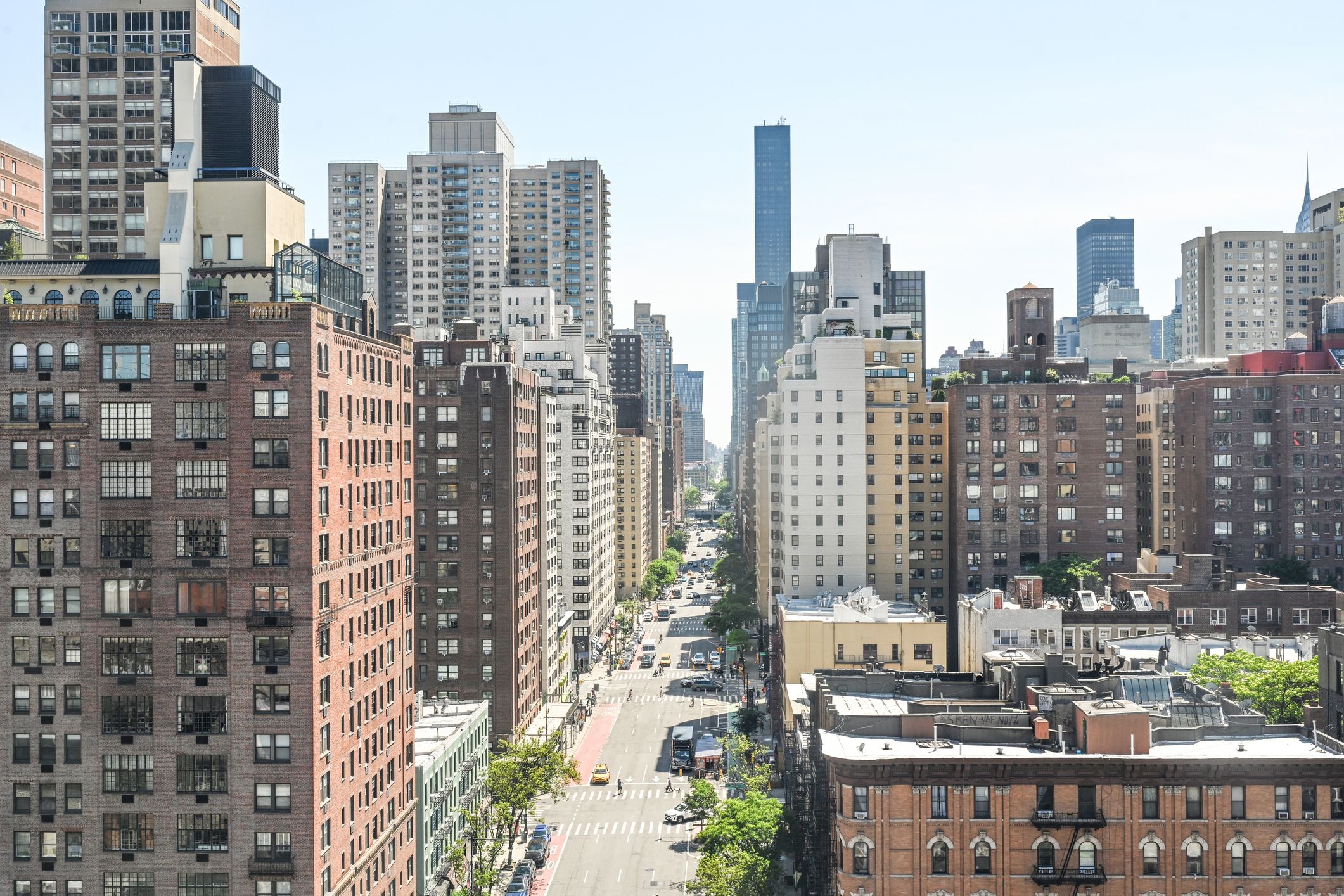
A toolkit to add 100,000 more homes in Manhattan
For most of NYC’s history, Manhattan has been a place where people of all backgrounds could find an apartment and start their journeys in New York City.
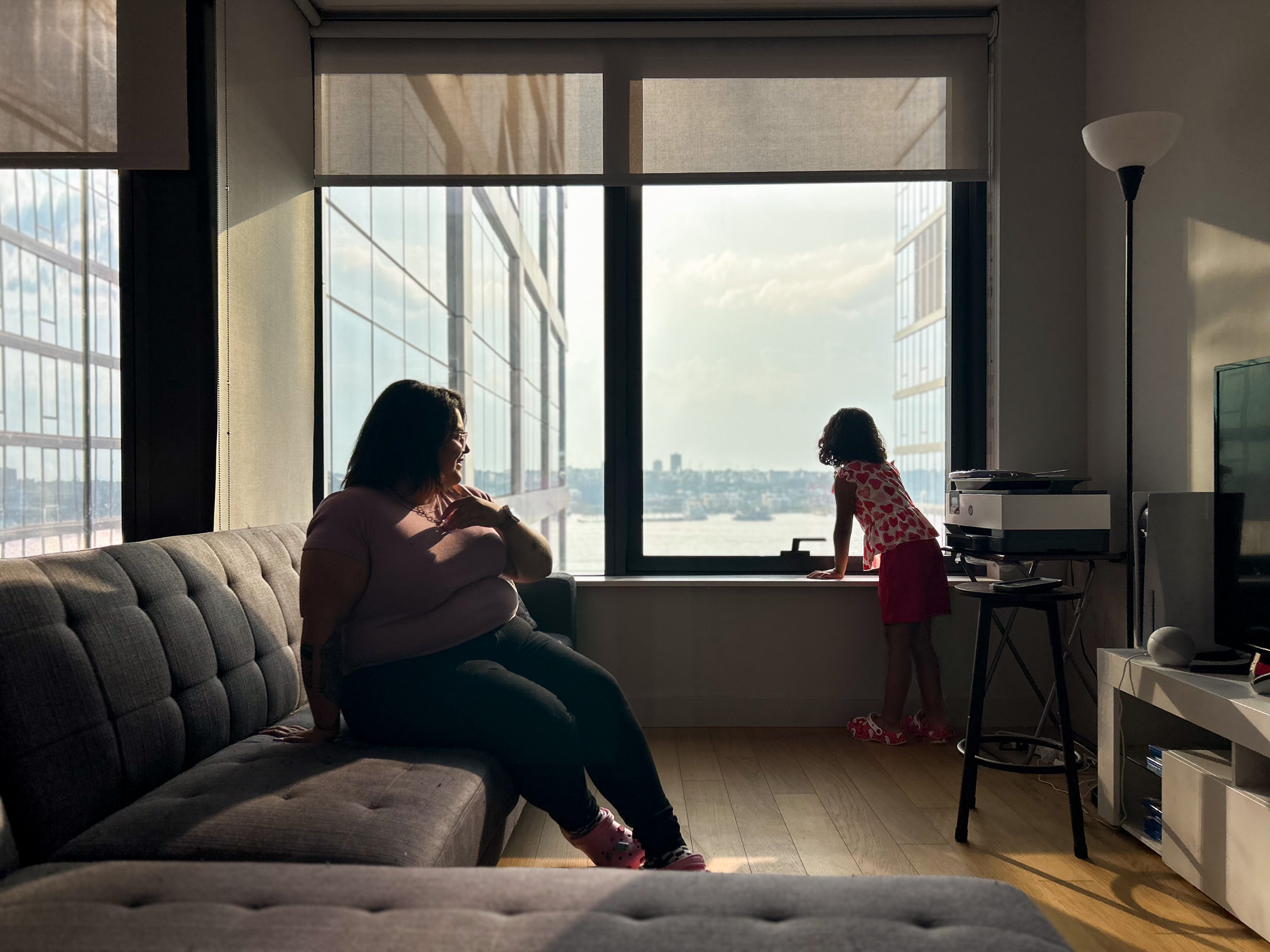
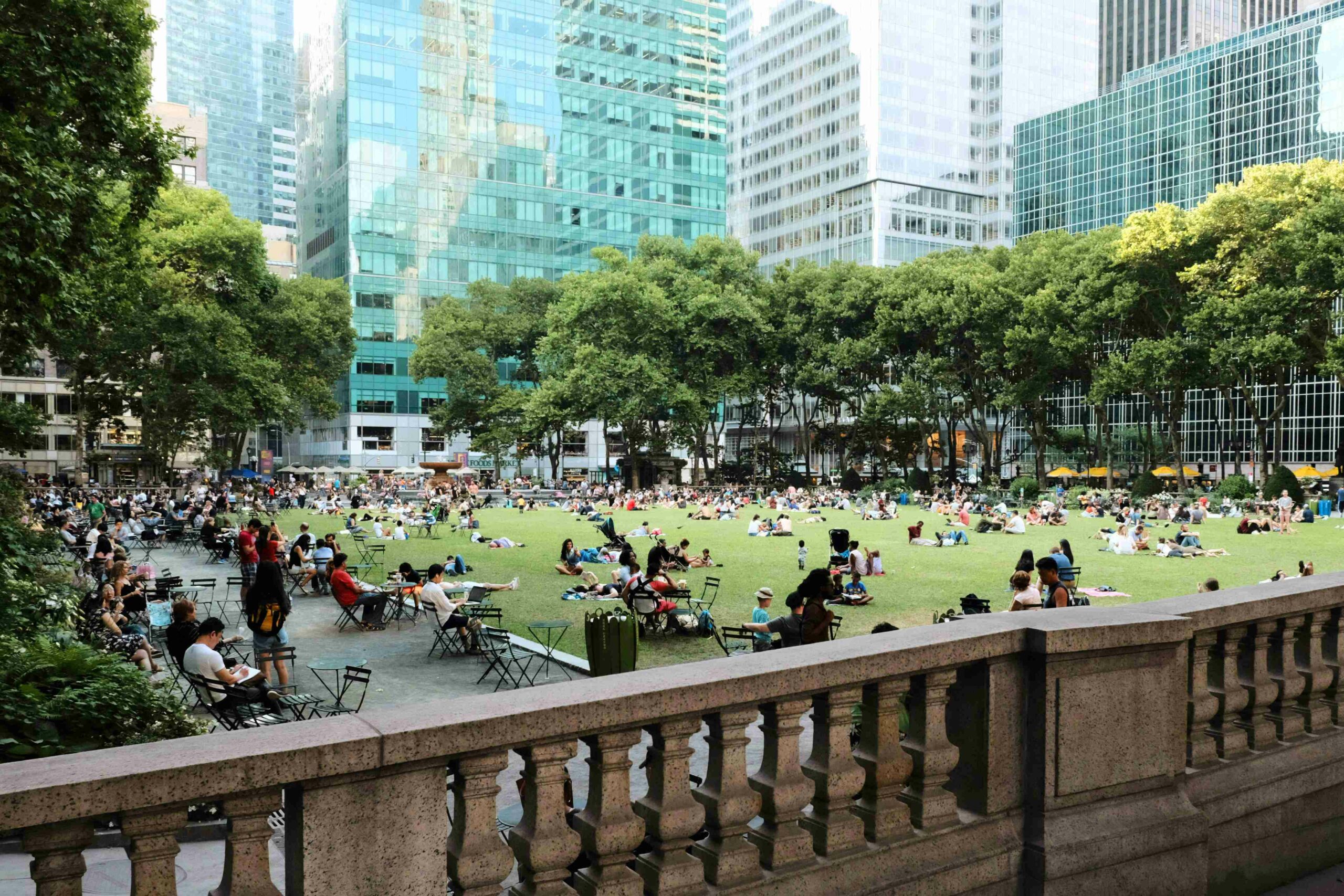
Manhattanites enjoy unparalleled access to jobs, to public transit, and other amenities.
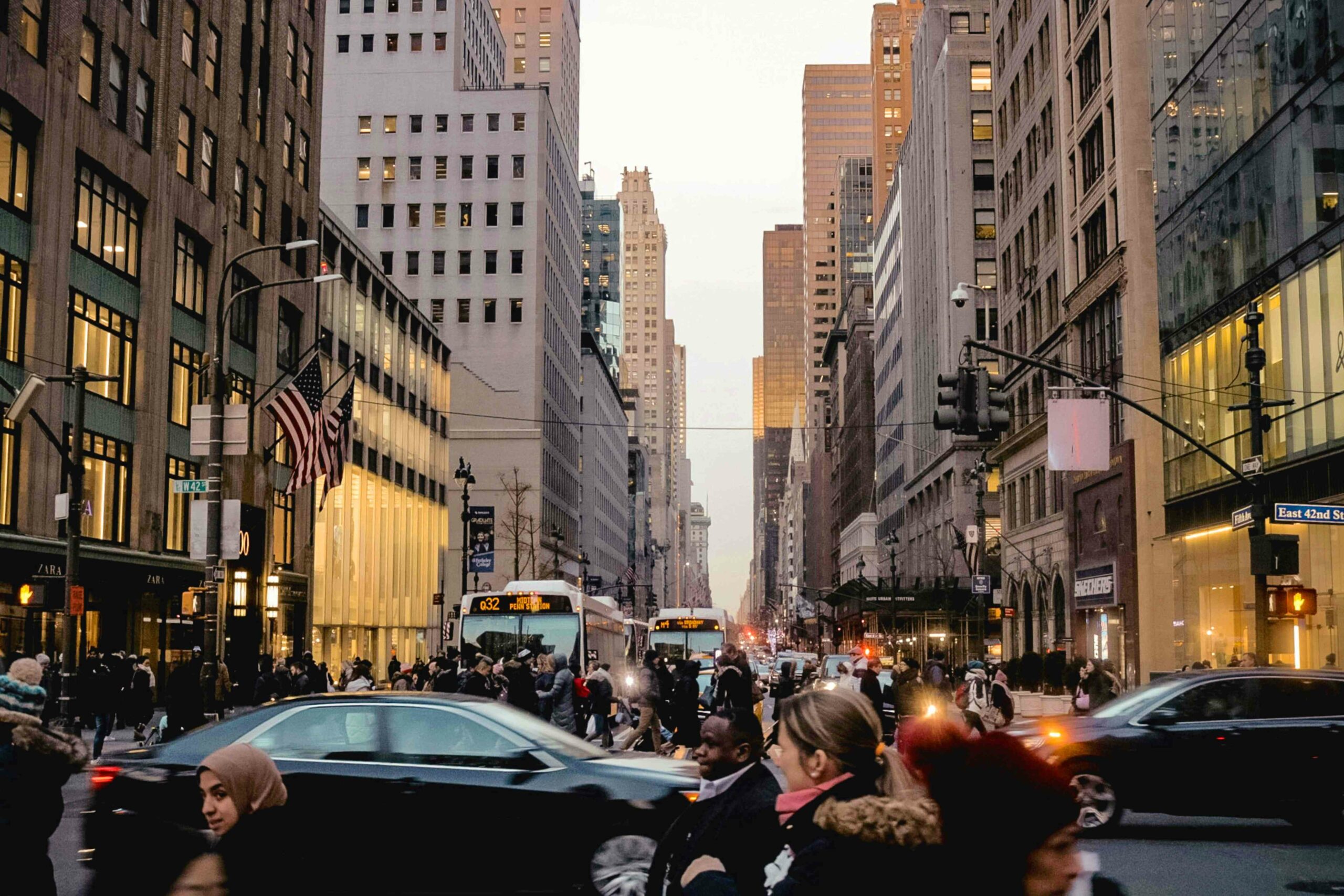
But finding a home in Manhattan has become out of reach for more and more people over the last several decades, as housing production lags and housing costs rise.
Housing production hasn’t kept up
More people want to live in Manhattan than there are available homes
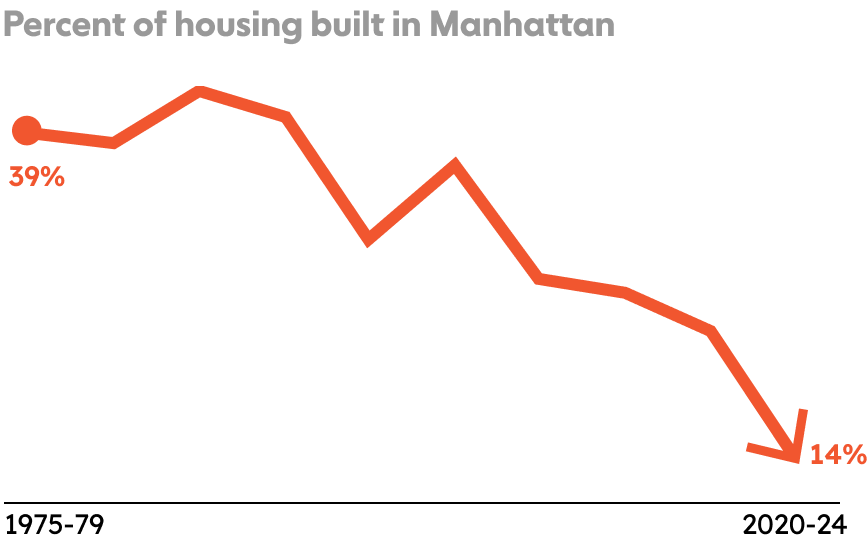
From 2021-2024, Manhattan produced less housing than every borough other than Staten Island
In 2024, Manhattan produced only 14% of the newly built homes in NYC
Source: NYC Department of City Planning
Housing production varies by neighborhood
Some neighborhoods have produced meaningful amounts of housing over the last decade, while others have produced little to none. There are even some that have fewer homes than they did ten years ago, due to the merging of multiple apartments into single units.

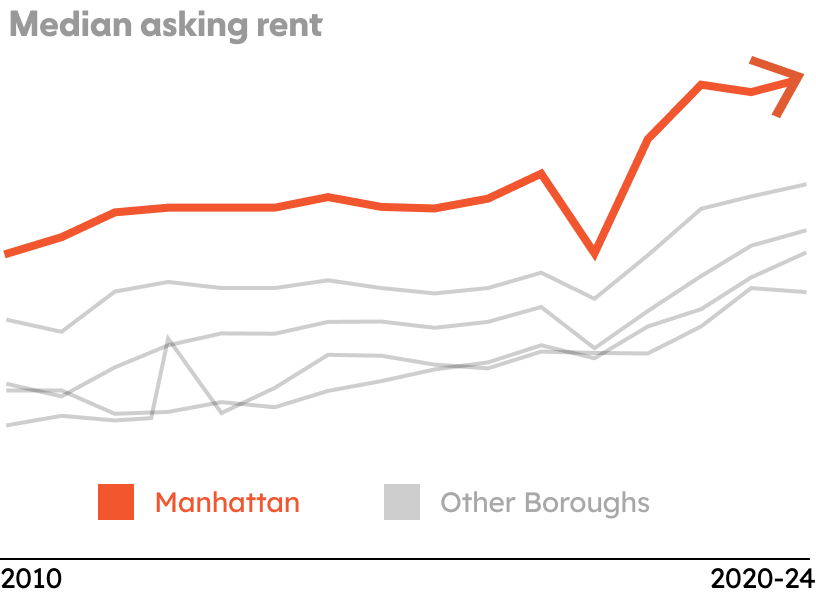
Manhattan is becoming increasingly unaffordable
47% of Manhattanites are rent-burdened. This means that they spend 30% or more of their income on housing costs.
Median asking rent has increased by 50% since 2010. There is an urgent need for more income-restricted affordable homes.
Source: NYC Department of City Planning, StreetEasy
About the Manhattan Plan
The Manhattan Plan is a bold initiative to tackle Manhattan’s housing shortage by laying out strategies to bring 100,000 new homes to the borough — homes that will allow more New Yorkers of all backgrounds to live close to transit, jobs, schools, parks, and the cultural institutions that define Manhattan.
During 2025, the Plan was developed through a robust public engagement process, in which the City engaged people who live, work, and spend time in the borough. New Yorkers shared more than 2,500 ideas about how to tackle Manhattan’s housing crisis that were distilled into twenty-three strategies.
Grounded in principles of fair housing and equity, these strategies will guide and inform future planning to help ensure that Manhattan remains welcoming, affordable, and vibrant for generations to come.
